
Maintainability in Machine Design: What a Good Special-Purpose Machine Must Deliver from Day One
In industrial manufacturing, the value of a machine is not determined solely by whether it is completed on time, starts successfully during initial commissioning or achieves the required cycle time. It is equally important to consider how the machine performs over the long term: how predictable and safe it is, how quickly intervention is possible when required, and how effectively it supports everyday production.
Today, special-purpose machine manufacturing is no longer simply about developing a technical solution for a specific task. Customers need machines that not only operate accurately and efficiently but also remain reliable, easy to use and easy to maintain throughout their service life.
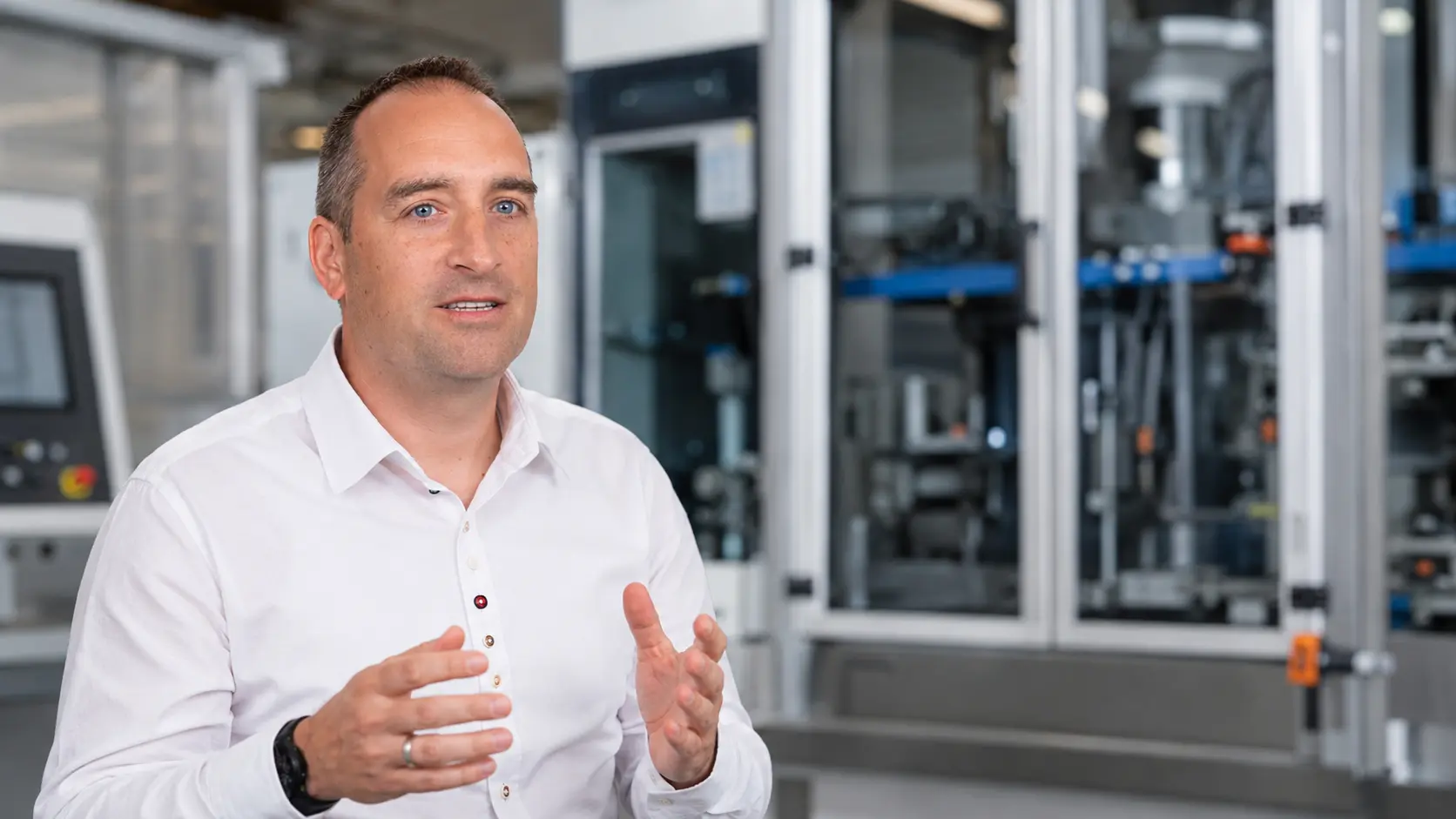
We discussed this topic with Rónai Péter, Operations Manager at MPS, who sees first-hand in his daily work how important forward-thinking machine design is in special-purpose machine manufacturing.
Maintenance does not begin when a machine breaks down
In many companies, maintenance only becomes a priority when a machine has already stopped, displays a fault or begins to slow down production. However, in a well-designed special-purpose machine, maintainability is not an afterthought. It is an integral part of the machine design process from the very beginning.
“With a good special-purpose machine, it is not enough to consider what the machine can do at the time of delivery. We also need to think about how its components can be accessed, inspected, cleaned, repaired or fine-tuned months or even years later,” says Rónai Péter.
This is especially important in manufacturing environments where machines operate across several shifts and under continuous load. In such cases, even a small design detail can make a significant difference.
Easily accessible components, carefully designed machine guards, logical operator interfaces, clearly organised cabling, safe service points and comprehensive documentation all contribute to more efficient operation and maintenance.
The real cost of downtime often becomes visible only afterwards
The cost of machine downtime is not limited to the fact that the equipment is temporarily unable to produce. A breakdown can affect the entire manufacturing process, delivery deadlines, material consumption, workforce utilisation and ultimately customer service.
For this reason, the development of a special-purpose machine cannot focus exclusively on technical performance. The machine must also operate reliably and predictably within the actual production environment.
“The customer does not simply need a machine. They need a solution that makes production more predictable. If a machine is difficult to maintain, certain areas are hard to access or fault diagnosis is unnecessarily complicated, it can lead to significant long-term losses,” Péter explains.
A good machine therefore does more than perform its technical function. It supports the entire manufacturing process, reduces uncertainty, improves transparency and makes the work of both operators and maintenance technicians easier.
Forward thinking is becoming increasingly important in modern industry
Prevention and early fault detection are among the most important developments in industrial maintenance. An increasing number of manufacturing companies are introducing sensor-based data collection, condition monitoring, predictive maintenance and smart manufacturing solutions.
These technologies help businesses move beyond reacting to faults after they occur. Instead, they make it possible to identify warning signs before they develop into serious production problems.
However, these solutions require a stable and well-designed foundation.
“Digitalisation, data collection and predictive maintenance can only work effectively if the machine itself has been designed properly. It is difficult to build an efficient maintenance strategy around a system that is hard to access, difficult to understand or unnecessarily complicated,” says Rónai Péter.
At MPS, special-purpose machine manufacturing is therefore not only about solving a specific technological task. The goal is also to ensure that the machine remains easy to operate, inspect, maintain and further develop throughout its lifecycle.
Operator and maintenance requirements must also be considered
When designing a special-purpose machine, engineering considerations are essential, but the realities of everyday use are just as important.
Who will operate the machine? In what type of environment will it be used? How frequently will it need to be inspected? Where might intervention be necessary? How easily can faults be identified? How quickly can production be restarted?
These are not minor details. They are fundamental questions that determine the machine’s long-term usability and reliability.
“A machine is truly effective when it not only fulfils its technical purpose but is also logical and straightforward for both the operator and the maintenance technician to work with. In practice, this makes a major difference,” says Péter.
User-friendly design, transparent operation, appropriate safety solutions and easily accessible maintenance points all help transform a custom machine from a unique technical solution into a genuine production-support tool.
A special-purpose machine is a long-term investment
When a company invests in custom special-purpose machine manufacturing, it is not planning for the short term. The machine must support production for many years, adapt to the manufacturing environment and reduce losses caused by faults, downtime and unplanned interventions.
That is why maintainability, accessibility, spare-part availability, technical documentation, operating conditions and future development opportunities should all be discussed at the beginning of the machine-building process.
“The real challenge in special-purpose machine manufacturing is not simply to solve a particular technical problem. We need to build a machine that supports the customer’s everyday production safely, reliably and over the long term,” Rónai Péter summarises.
At MPS, machine building begins with understanding the production process
MPS develops industrial solutions that respond to real manufacturing requirements. Whether the project involves special-purpose machine manufacturing, custom machine building, industrial automation or the integration of maintenance considerations, the starting point is always the same: understanding the customer’s production process.
Because a good special-purpose machine is not simply completed and delivered.
A good special-purpose machine fits seamlessly into the manufacturing process, supports operators and maintenance teams, is designed with maintainability in mind and delivers reliable performance over the long term.